Let Good Habits Run on Autopilot
Friction: The Invisible Hand That Shapes Daily Choices
Build Environments That Nudge the Right Way
Home Setups that Start Behavior Before You Think
Lay out running shoes by the door with a phone automation that cues your playlist at alarm dismissal. Place a water bottle beside your coffee grinder and a book on your pillow. These small placements whisper instructions at the precise moment action should start, shrinking hesitation until beginnings feel surprisingly automatic.
Workflows that Trigger Themselves on Schedule
Automate your morning ramp: laptop unlock triggers do not disturb, opens your priority dashboard, and loads the day’s top document. Calendar holds time for deep work, automatically declining conflicting invites. When routines launch themselves, you conserve cognitive energy for creative output, transforming the start of every session into a frictionless, repeatable ritual.
Anchoring New Routines to Stable Cues
Tie a new behavior to a reliable anchor you already perform. After brushing teeth, your task manager opens a two-minute reflection. After lunch, your wearable buzzes for a five-minute walk. Anchors reduce ambiguity about when to act. Layer technology prompts onto these anchors, and the pairing becomes an unmistakable invitation to follow through.
Practical Automations You Can Launch Today






Feedback Loops that Keep Momentum Alive

Stories from Real People and Teams

The Morning that Finally Works, Every Day

Deep Work without Do Not Disturb Drama
Monthly Audits that Keep Automations Serving You
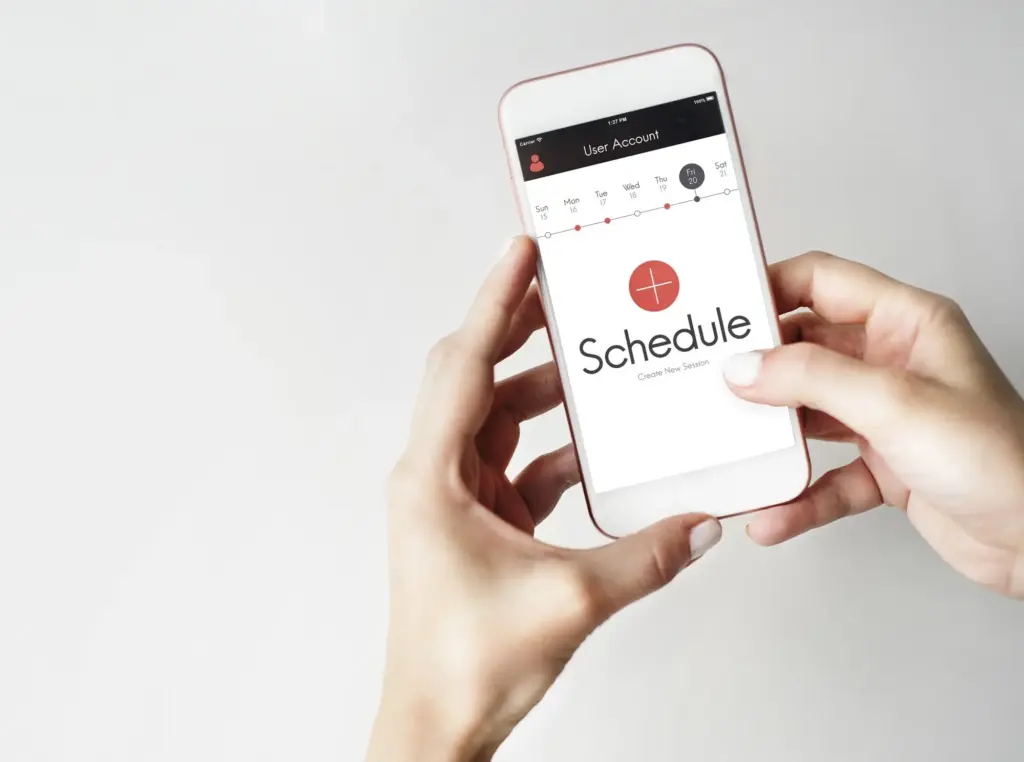
Schedule a recurring thirty-minute review. What still saves time, and what now creates noise? Consolidate duplicated triggers, adjust timing to new obligations, and archive retired goals. Add a quick satisfaction score and a note about friction you felt. Small maintenance preserves trust, so your system remains a calm, supportive partner.
Guardrails, Kill Switches, and Consent by Design
Automations that involve colleagues or family must be transparent. Share what triggers exist, when they run, and how to pause them. Provide a single toggle to disable everything during travel, illness, or crises. Ethical defaults preserve dignity and flexibility, ensuring convenience never outruns care for people’s boundaries, preferences, and evolving realities.
Knowing When to Remove or Simplify a System
When a habit becomes part of your identity, heavy scaffolding may dull joy or reduce adaptability. Retire redundant cues, compress steps, or return to manual control for variety. Skillful subtraction reveals a sturdier core. Treat every automation as temporary training wheels that should gracefully disappear once balance and confidence reliably hold.
All Rights Reserved.