Make Better Choices Without Willpower

Together we explore designing environments that make good habits automatic, so choices that once demanded heroic willpower become the easiest, most natural option available. Drawing on behavioral science, architecture, and tiny experiments, we will reshape rooms, workflows, and digital spaces to quietly steer better actions, every single day, without lectures or guilt.

Behavioral Design Foundations

Before moving furniture or rewriting app settings, start with simple mechanics: cues that invite action, friction that slows or speeds behavior, and rewards that satisfy. By adjusting these levers inside our surroundings, we convert intention into default behavior, letting context carry more weight than motivation, especially during busy weeks when energy and attention run thin.

Design Cues That Invite Action

Place the guitar on a stand in the middle of the room, not zipped in a case. Set the running shoes beside the door. Pre-fill a water bottle on your desk. Visible, reachable, prepared objects become silent invitations that lower hesitation and spark immediate engagement.

Reduce Friction, Add Gentle Resistance

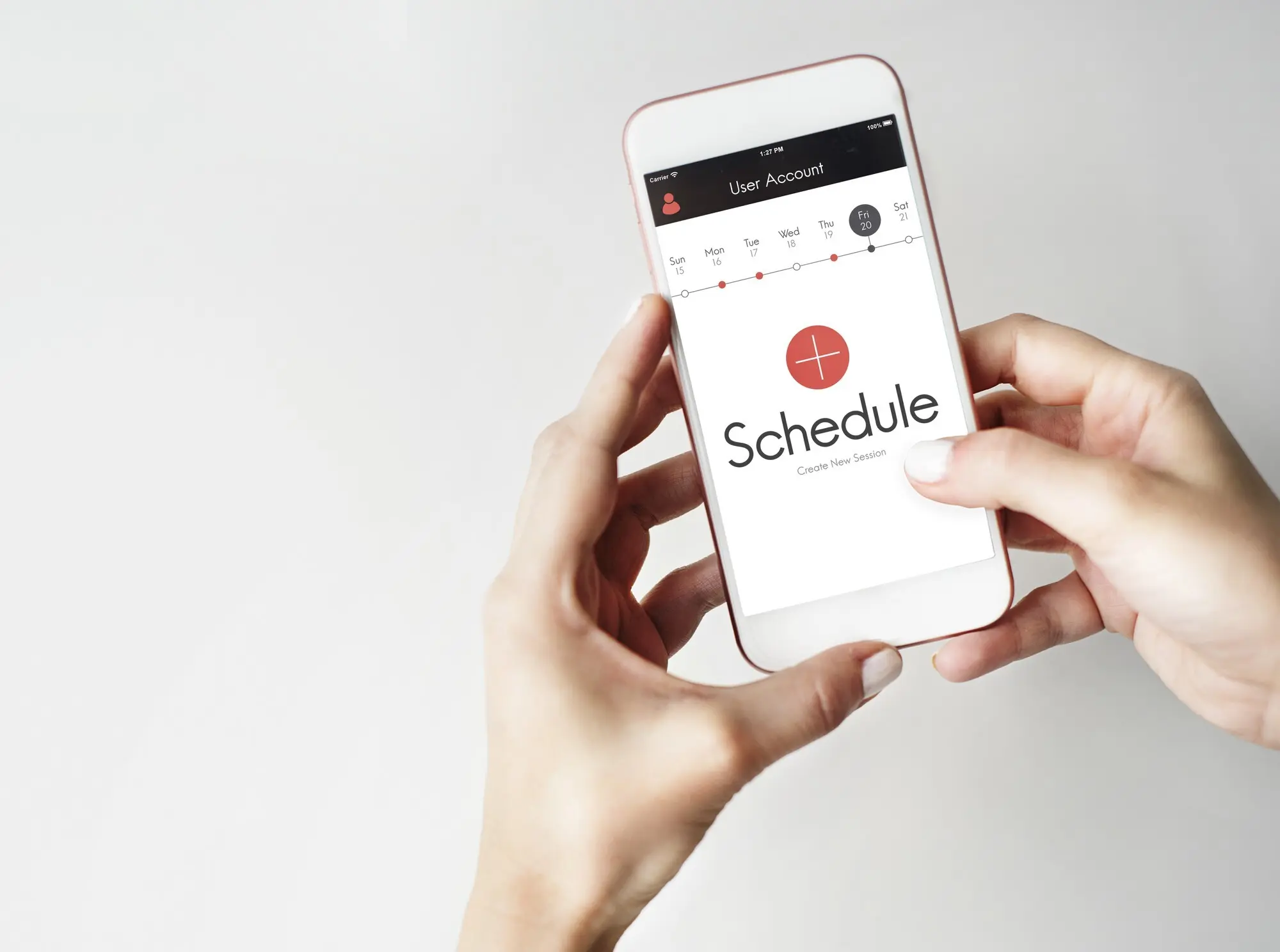
Make helpful actions smoother: keep chopping boards within arm’s reach, lay out workout clothes at night, automate grocery lists. Add tiny obstacles for temptations: store snacks on a high shelf, log out of streaming sites, move distracting apps off the first screen.

Close the Habit Loop with Satisfying Finishes

End each routine with a small, pleasant signal: a checked box, a tidy counter, playlist applause, or a brief message to a friend. Immediate, tangible closure teaches your brain that the effort mattered, making tomorrow’s repetition feel rewarding before it even begins.

Homes That Guide Health Without Nagging

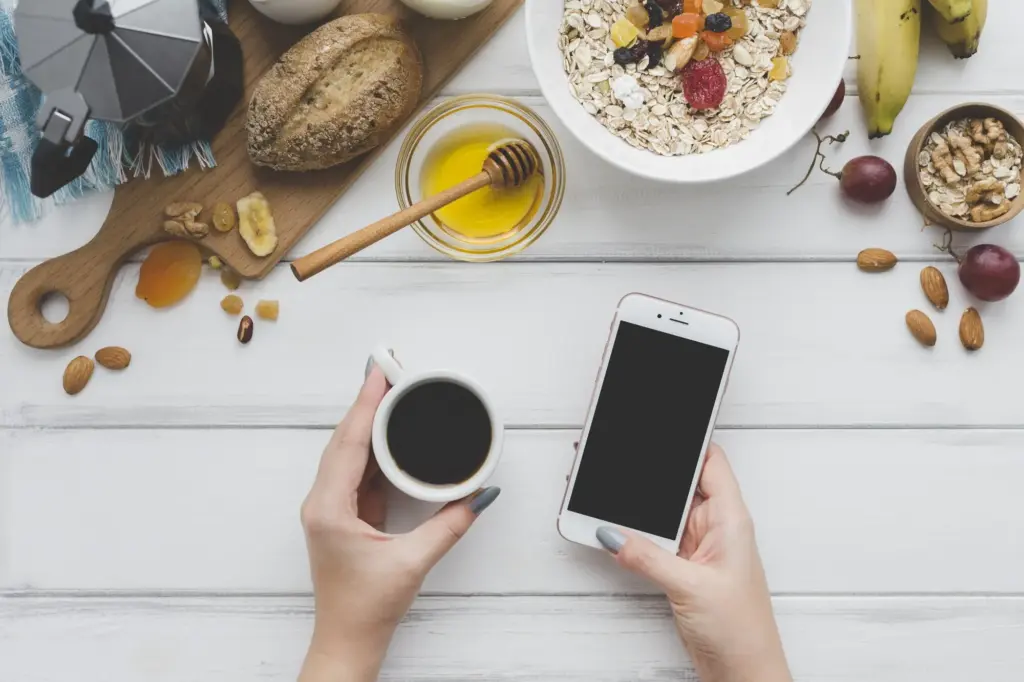
Your rooms can whisper better choices. By spotlighting nutritious foods, staging movement prompts, and protecting calming rituals, the house quietly removes decision fatigue. Small changes—light, layout, containers, labels—shift what you notice first and what feels convenient, so healthier behaviors happen while life stays delightfully ordinary.

Workspaces That Protect Focus and Flow

Attention is precious, so design for depth as the standard and interruption as the exception. Curate a single-task desk, structure your calendar for blocks, and choreograph notifications. The result is sustainable momentum where difficult work feels smoother, and finishing early becomes pleasantly common.

Habit Stacking in Space and Time

Tie the new action to an existing anchor and put the first step in the exact place it will happen. Align timing with natural transitions—after coffee, before commuting, upon shutdown. This choreography reduces decisions, transforming repetition into a surprisingly graceful daily rhythm.

Social Design and Gentle Accountability

People shape people. Arrange spaces and routines that make supportive behavior visible and easy to join. Post shared calendars, schedule walk-and-talks, and display progress boards. When encouragement is ambient and expectations are kind, consistency grows sturdier than excuses, and belonging supports your better identity.

Iterate, Measure, and Keep It Playful

Treat your environment like a living prototype. Run tiny trials, track shifts with quick notes, and celebrate what sticks. When a cue stops working, refresh it kindly. Curiosity beats perfectionism, and your spaces gradually become quiet partners in the life you want.